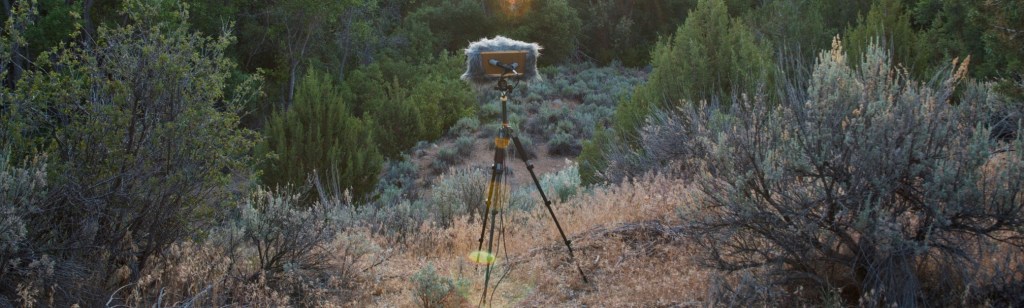
To preserve the land also means to preserve the sound of the land. Soundscapes, whether they are made by animals, water, wind, rocks or even if it’s total silence defines the character of the land as much as what you can see. Whenever I go for a hike I try to make listening to the soundscape a priority, stopping for a moment whenever I hear something interesting and also carving out a bit of quiet time during breaks. Nature is more than a visual spectacle. Which is why I sometimes hike with a bag full of equipment in hopes that I can make a good recording. Back at home, where I’m sitting comfortably, wearing headphones and listening to my favorite tracks, the memories created in my mind are stronger than photographs that I could hold in my hand or view on a screen. Sound is such a good stimulator of memory. Emotions felt during that moment in the field are rekindled in my heart, and for a short time the recording allows me to transcend time and distance.
Below are samples of a few of my favorite recordings. The stereo microphone array that I record with is quite impressive, creating a sensation that you’re right there with me. So, I highly encourage you to listen with headphones or earbuds. Thanks! I hope you enjoy the tracks. You can find more of my recordings on SoundCloud. https://soundcloud.com/quietone
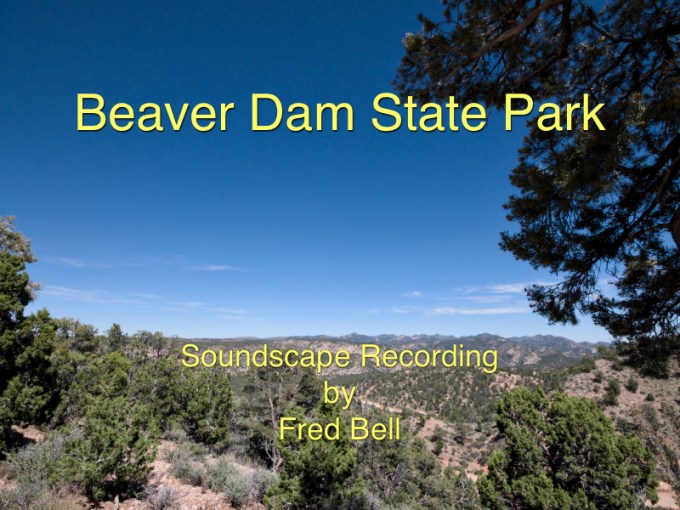
This remote Nevada state park is my favorite location to record nature’s dawn chorus. The park is very quiet, and the quality of the soundscape never disappoints me. Located 28 miles east of Caliente, NV which is about 160 miles northeast of Las Vegas, this lightly visited park is more than off the beaten path. Don’t let the 28 mile long dirt road deter you. It’s a good road – by Nevada standards.
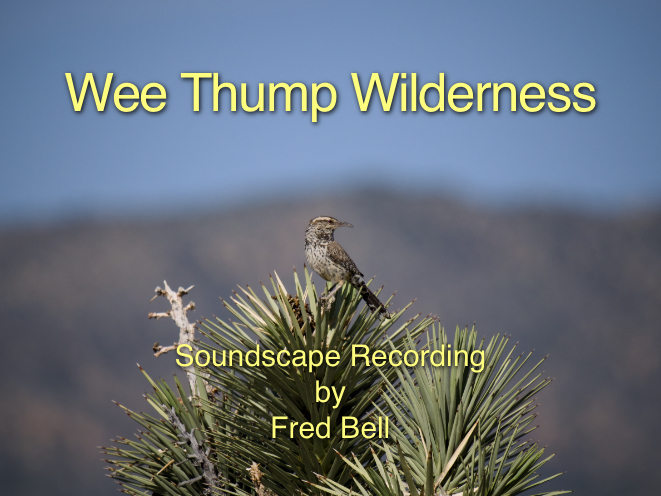
The Wee Thump Wilderness lies a few miles west of Searchlight, Nevada along the Nipton Highway. The small wilderness area is a dense Joshua Tree forest located within the boundaries of Avi Kwa Ame National Monument. This recording was made in April of 2020 during the COVID-19 pandemic and air traffic was greatly reduced. In normal times, the almost constant stream of air travel overhead would make this recording difficult to make. How many Great Horned Owls can you hear on this track?
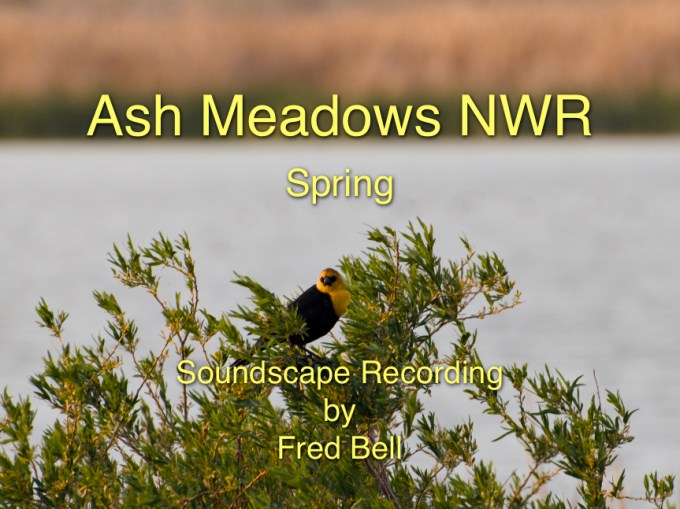
There’s water in the desert, often more than you would expect. Ash Meadows National Wildlife Refuge is a desert oasis a few miles east of Death Valley National Park. The refuge is a significant stopover for migratory birds and is listed by the Ramsar Convention as an international significant wetland. In this track, hear a raucous collection of Yellow-headed Blackbirds (and many other birds.)
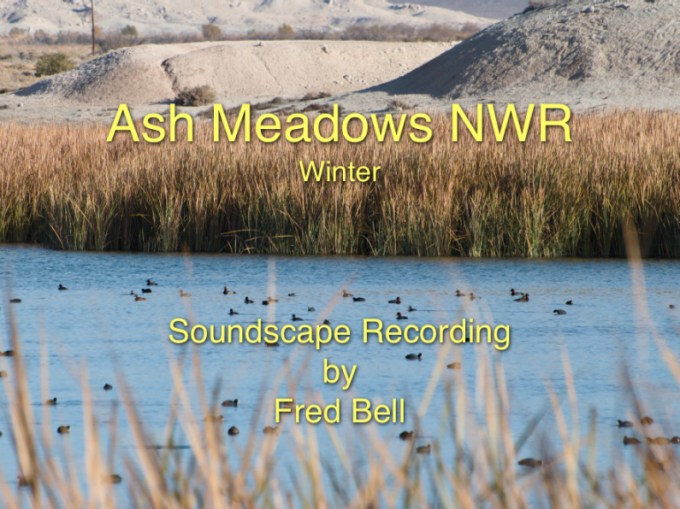
By contrast from the springtime, Ash Meadows National Wildlife Refuge is more subdued during the winter. However, it’s still a significant stopover for migratory waterfowl. These birds are larger and faster than most springtime visitors. I enjoy the sounds of swooshing air generated from their larger wings.
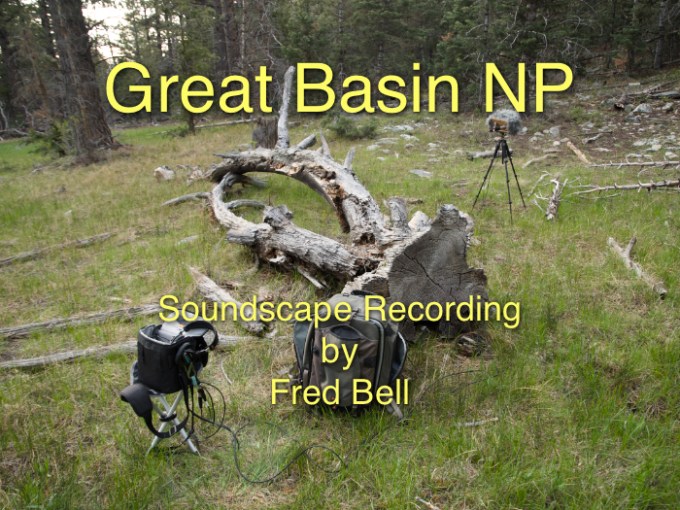
Great Basin National Park is Nevada’s only national park, and one of the most isolated units in the National Park system. The park’s mountain range is an island oasis in a sea of Great Basin sagebrush. Hear the song of the Hermit Thrush as it carries through a lovely pine forest on the eastern slope of Wheeler Peak.
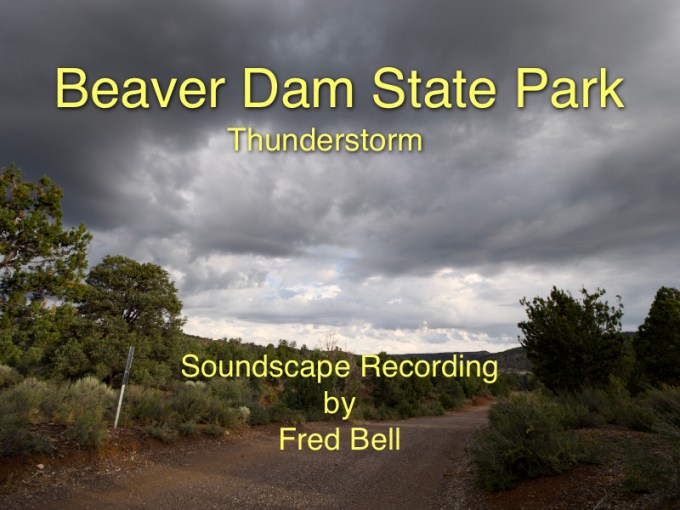
July and August is monsoon season in the desert southwest. Rising hot air over the region draws up moisture from Mexico sometimes unleashing intense thunderstorms. I had the good fortune of being in the right place at the right time and captured the crackling sounds of thunder as a storm passed directly overhead.
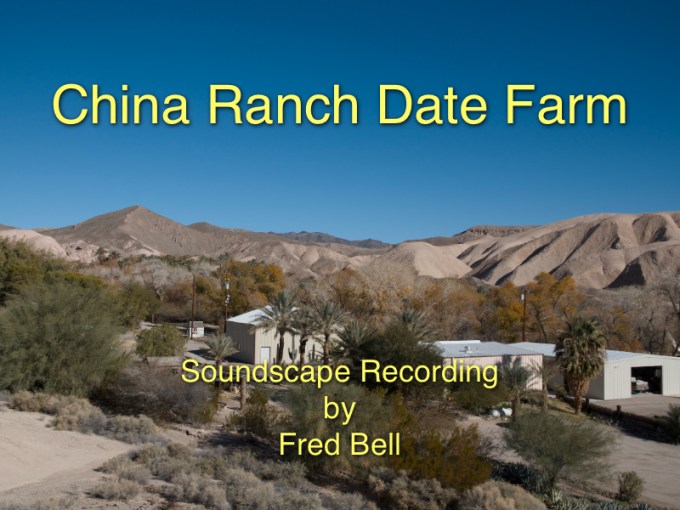
As a traveler descends through the moonscape like hills outside Tecopa, California towards the Amargosa River, they are likely to encounter a most unexpected site – the China Ranch Date Farm. This commercial farm is surprisingly quiet, and it draws travelers of all types (both birds and tourist) for delicious treats and a cool place to rest. The springtime avian migrates are full of birdsong in this dawn chorus recording.
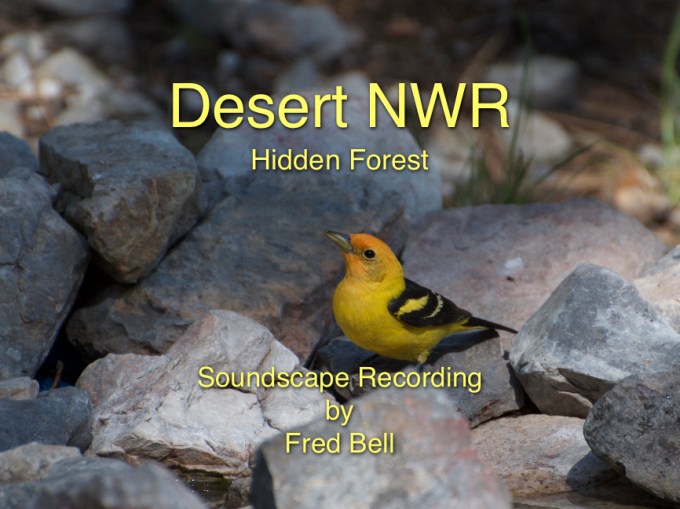
Unexpectedly, I owe bit of gratitude to the United States Air Force for this beautiful recording. The 1.6 million acre Desert National Wildlife Refuge lies in between Las Vegas (home of Nellis Air Force Base) and the Nevada Test and Training Range. Due to its proximity to the military’s training range, the entire region is a no-fly zone for commercial and private aviation. Air Force jets routinely transit the refuge during the week, but weekends and holidays can be very quiet.
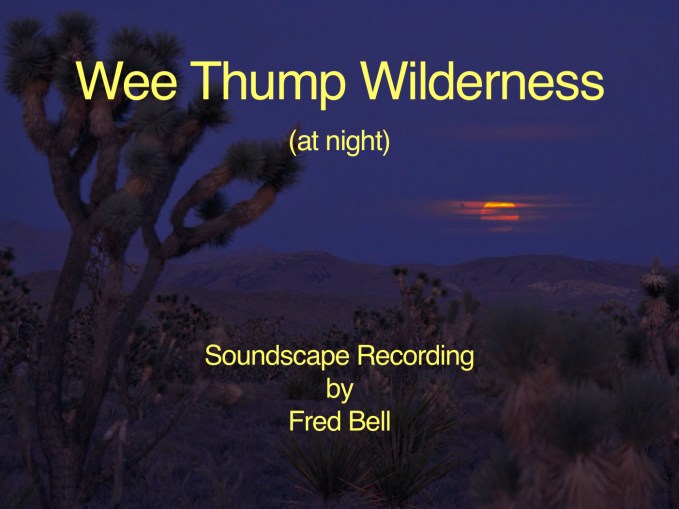
Trickster, Song Dog, Coyote (ranchers often pronounce “ky-oats”), whatever you want to call this canine of the desert, their nighttime howls and yips make an enchanting soundscape. Listen as several packs conduct a nightly ritual of “checking-in” and declaring territory. (Recordist’s note: disregard the scratching noises of a desert rodent that “sound bombed” my recording.)
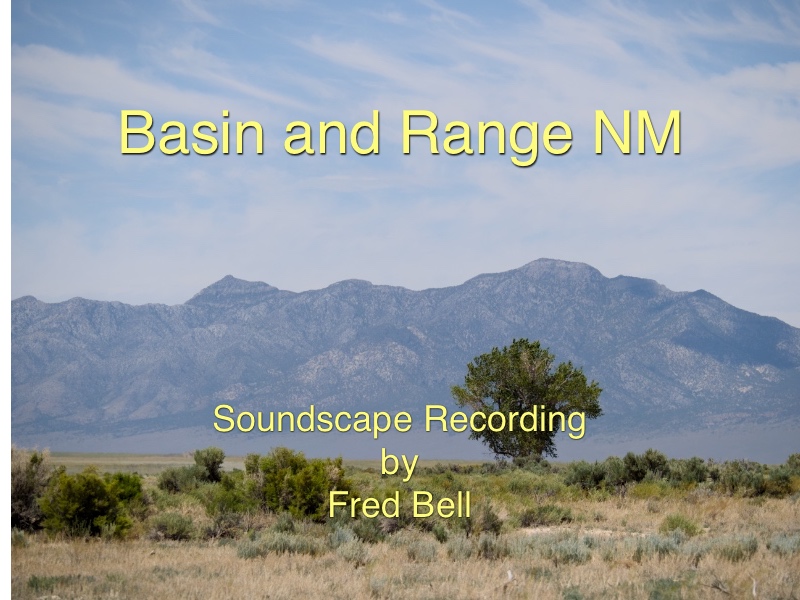
Basin And Range National Monument is dedicated to the remote and wide open wonders of the the Great Basin Desert. Silence may be it’s most noted feature, but like everything in wilderness there is sometimes an opportunity for wonder. Again, I just happen to be in the right place at the right time to record a large flock of Pinion Jays as they make an early morning visit to a small spring. The raven that precedes the flock seems to be on a scouting mission, perhaps signifying that everything is clear.


Leave a comment